_20251205_181531_0000_1769344146441-BrNIJoz8.png)
Foreign Freehold vs. Leasehold vs. Rent-to-Own: What Every Expat Needs to Know
Foreign Freehold vs. Leasehold vs. Rent-to-Own: What Every Expat Needs to Know
Understanding the three ways foreigners can control property in Thailand is critical. Each option has distinct legal, financial, and practical implications. Here is the complete breakdown.
Option 1: Foreign Freehold (Condominium)
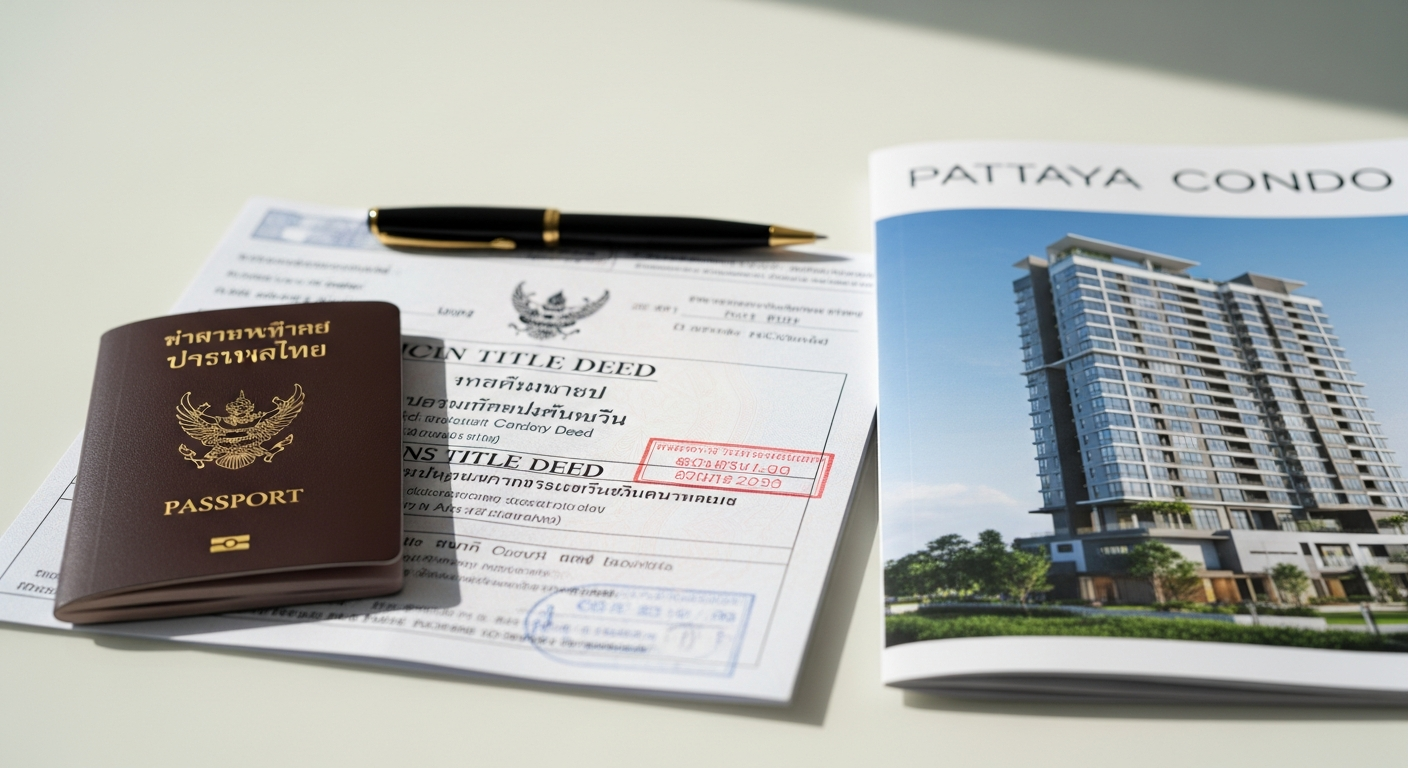
How it works: Foreigners can own a condo unit outright in their own name under the 49% foreign quota.
Pros: Full legal ownership, clear title deed, no time limit.
Cons: Requires a Thai bank loan or full cash purchase. Many foreigners cannot secure financing.
Best for: Buyers with full cash or those who qualify for Thai bank mortgages.
Option 2: Leasehold (30 + 30 Years)
How it works: A long-term lease agreement with a Thai landowner or developer. Typically 30 years with an optional 30-year renewal.
Pros: No foreign quota restrictions, lower upfront costs.
Cons: You do not own the land. Lease renewal is not guaranteed. Resale value is lower than freehold.
Best for: Buyers of villas or land where freehold is not an option.
Option 3: Rent-to-Own (Seller Financing)
How it works: A legally binding agreement where you pay monthly installments directly to the seller. Ownership transfers once the agreed price is fully paid.
Pros: No bank required, no nominee needed, flexible terms, full legal protection under Thai contract law.
Cons: You do not hold the title deed until the final payment is made.
Best for: Foreigners who cannot get Thai bank loans and want a legally compliant, flexible path to ownership.
The Expat's Choice
For most foreign buyers in Pattaya, the choice is clear. If you cannot get a Thai bank loan, Rent-to-Own gives you the security of a legal contract, the flexibility of seller financing, and the ultimate goal of full ownership — without any grey-area structures.
Contact Pattaya Finance to discuss which ownership structure is right for your situation.